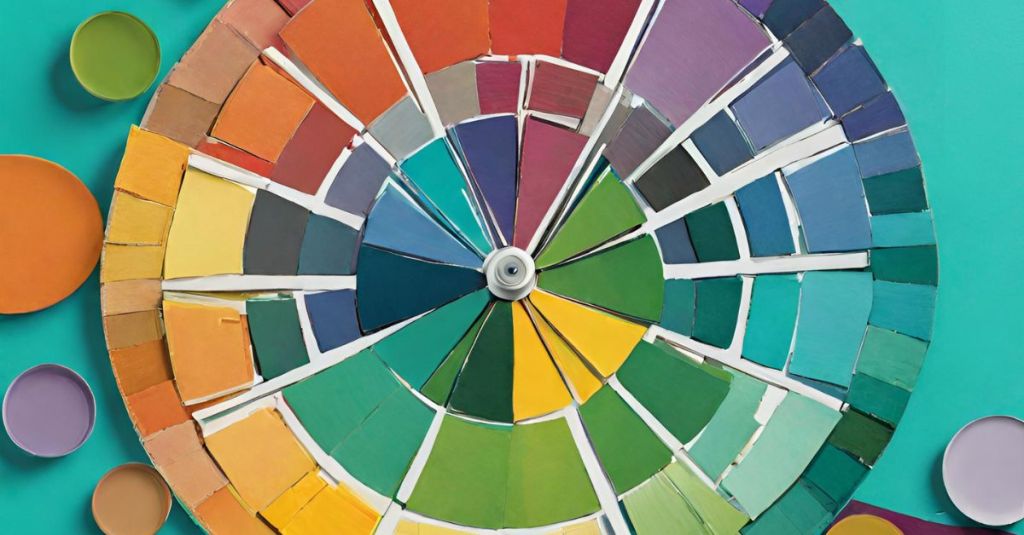
93% of consumers make purchasing decisions based on visuals alone.
Up to 90% of an initial impression comes from color.
It’s clear that color is a powerful tool for marketers and businesses. According to Indeed, color has psychological connections to human emotions, and this connection can influence marketing decisions. Marketing professionals use color psychology to influence consumers beginning from their first interaction with a brand.
So what is color psychology?
HubSpot defines color psychology as “research about how color affects human behavior and emotions.”
Colors, shades, hues, and tones all affect the emotions of consumers and can have a huge impact on their buying decisions.
How color psychology is used
When choosing colors to use in a company’s branding, advertisements, and other marketing materials, marketing professionals pick colors that align with their business goals and intended audience.
Color psychology is used for many reasons, but I’m going to highlight what I think are the two most important:
- Evoking certain feelings/emotions from an audience
According to the University of Southern California, “consumers’ response to a brand’s identity and its use of color may also affect their affinity for a brand. This means that marketers who successfully use color psychology can influence purchasing habits and brand loyalty.” - Positioning a brand differently within a market
Analyzing competitors within a certain market allows you to understand what colors are overused and what colors provide opportunity for your brand. A great example of this is T-Mobile – pink is viewed as a feminine, quirky color, but T-Mobile uses their primary color in all marketing materials to help it stand out among competitors.
What each color means
Every color has both positive and negative feelings associated with it. Depending on the color’s use, juxtaposition, and context, consumers will feel a specific emotion. It’s also important to consider the type of marketing material used. For example, a company logo that only uses the color blue would evoke the feeling of trust and security. However, if a company puts up a billboard raising awareness about mental health issues also using the color blue, it evokes the feeling of sadness. The same way a smiley face is yellow because it radiates optimism, a yellow traffic light causes people to feel uneasy. Below is a list of the positive and negative emotions/feelings associated with each color:
Blue
+ Security, strength, wisdom, trust
– Coldness, unfriendliness, sadness
Purple
+ Royalty, superiority, wealth, sophistication
– Decadence, moodiness, excess
Orange
+ Confidence, creativity, courage, warmth
– Frustration, derivation, sluggishness, immaturity, ignorance
Red
+ Excitement, energy, power, urgency, passion
– Anger, warnings, danger, aggression, pain
Green
+ Relaxation, health, prosperity, hope
– Boredom, blandness
Yellow
+ Youth, happiness, optimism, energy
– Fear, anxiety, caution
Black
+ Sophistication, power, elegance
– Oppression, coldness
White
+ Simplicity, purity, innocence
– Emptiness, boredom
Gray
+ Balance, neutrality, intelligence
– Blandness, unconfident
Pink
+ Femininity, youth, imagination, quirky
– Childish, rebellious
Marketers use many elements of psychology to develop visual identities, propose campaigns, and drive sales and attention to a brand. Using psychology to reach and influence consumers puts your brand above others and will drive massive results in return.
 Lindsey Komson
Leave a comment