Reading & Writing
Now that I’ve completed reading The Bare Bones Camera Course for Film and Video, I have a newfound appreciation for filmmaking and all the work that goes into it. At the beginning of the semester, I had minimal knowledge about audio and video “design,” but I did have experience editing. I enjoyed editing videos on iMovie as a kid and took those skills with me all the way through college, where I edited reels as part of my job working as a Social Media Assistant for @quadmissions.
By reading this book and practicing the relevant skills each week, I can now say I have a lot more knowledge and understanding of what it takes to put together an audio and/or video project. I learned about proper audio production techniques, how to create an industry-standard lighting setup, how to compose compelling camera shots, and so much more.
The most useful thing I learned in this class is how to compose a proper sequence. Putting together a sequence is the backbone to any video project. Now, I can use that skill to create any type of video – whether it’s a film, quick how-to video, or a short-form piece for social media. If I had more time in this course, I’d love to learn more about best practices for social media video editing.
My goal is to work in marketing and/or social media, so I know I will use these skills in the future to create engaging content for any company I work for. I currently use basic editing software/techniques to create reels for my part-time job, so I know I will be able to incorporate my new skills in any role I take on in the future.
Research to Inform
This scene from National Treasure begins with an example of a J-cut. It starts with a pan of the Library of Congress, where the two characters are seated having a conversation. We hear their conversation from the beginning, but we don’t actually see them talking until 0:13 or 0:14. In a J-cut, the audio comes before the video, so this scene is a great example.
This additional trailer for The Comeback: 2004 Boston Red Sox includes an example of an L-cut. At 0:25, Kevin Millar is on screen explaining how David Ortiz became known as “Big Papi” in July of 2003. In the middle of his explanation, the video cuts to a clip of Ortiz hitting a home run at Yankee Stadium. The audio of Millar speaking continues over the clip, then the broadcast of Ortiz’s home run follows. In an L-cut, the video appears before the audio, so this example fits that description.
Create
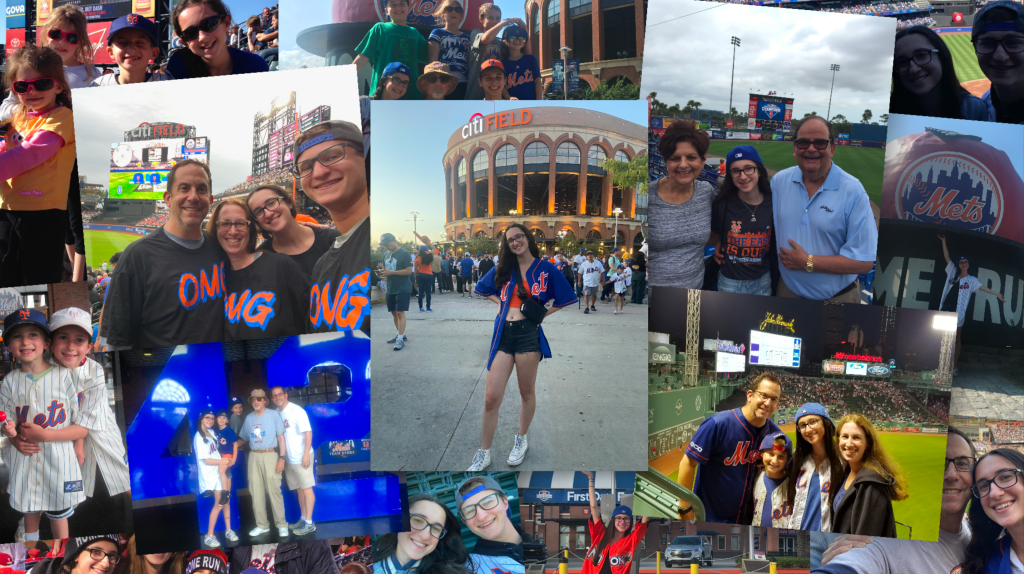
I created my mini documentary on how sports fandom can be passed down through generations, telling my family’s story to drive the point home (no pun intended). I interviewed my dad and my grandpa about their experiences as New York Mets fans and their feelings about sharing the fandom with each other and me. I captured lots of B-roll of the two of them going through old memorabilia and saved tons of photos from throughout our lives. I am so proud of the final product and I am so excited to share it! You can watch my final documentary below:
(There was an issue with YouTube, here is my documentary through a OneDrive link for now)
 Lindsey Komson
Leave a comment