Featured image by Nike
You might think that publishing ads on social media guarantees your business more traffic, conversions, etc. But it’s not that simple.
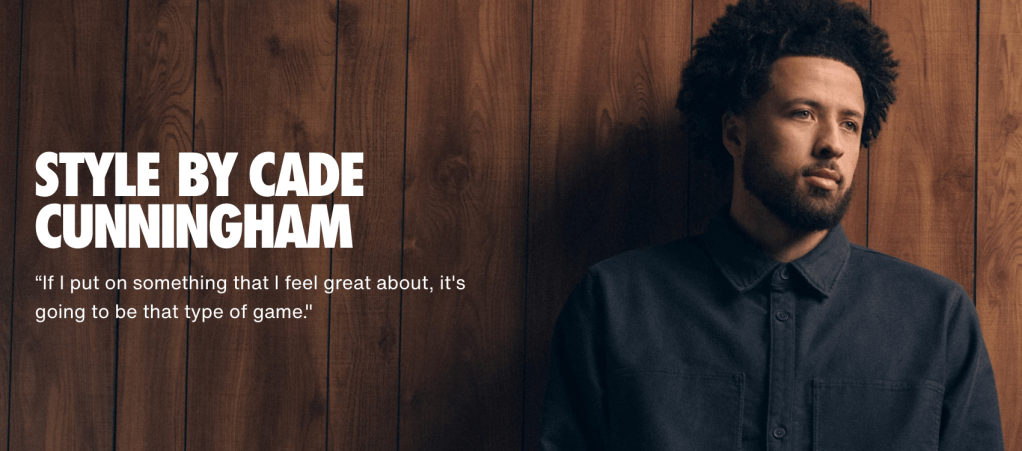
Custom audiences are what make ads successful – making sure your ads are seen by your target audience. To demonstrate this, let’s take a deep dive into Nike’s “Style by Cade Cunningham” campaign.
Nike’s “Style by Cade Cunningham” campaign
Nike launched their “Style by Cade Cunningham” campaign around the 2025 NBA All-Star Break, drawing attention to the NBA, Cunningham’s all-star athleticism, and Nike’s offerings. The ad creative posted on social media features the all-star player dressed in Nike clothing head to toe and speaking about how he feels his game is elevated when he’s wearing the right clothes. “Your arena entrance can impact your game. ‘You look good, you feel good, you play good.’” is included in captions of static posts, and Cunningham shares his thoughts in video ads.

The company clearly wants to market these products to a specific demographic, so using Cade Cunningham as the face of the ad certainly helps. However, in order to ensure the ad gets in front of the right people, Nike needs to use audience segmentation. This way, these ads appear on the feeds of people who are likely to drive conversions (or any other goal they might want to achieve).
What is segmentation and why does it matter?
According to HubSpot, segmentation is “the process of breaking down and organizing your target audiences based on shared characteristics like demographic information, behavioral habits, and geographic location. This makes it easier to create advertisements that are more targeted to the interests of a specific audience.”
Segmentation will help Nike connect with the right consumers because if the brand didn’t set custom audiences, there’s a chance these ads could show up on the feeds of people who don’t care about sports or activewear. This ensures the ads are placed on the feeds of people who are likely to purchase from Nike or visit their website.
Defining custom audiences for this campaign
When Nike defines its target audience for the “Style by Cade Cunningham” campaign, these are the characteristics the company most likely keeps in mind – demographics, behaviors, interests, and location.
Setting custom audiences helps to make sure these ads reach the right people, so this is most likely how Nike defined the custom audiences for this campaign:
- Demographics
Age – probably 24-44, the line is labeled as men’s and women’s so it’s not for children, but older men probably wouldn’t wear this apparel.
Gender – mostly men. The campaign has 65 pieces of apparel, 45 are labeled as men’s, 3 labeled as women’s, and the rest labeled as unisex. - Behaviors
Purchase history – anything from Nike (basketball related or not), anything related to the NBA, basketball, or the Detroit Pistons
Social media interactions – following or engaging with any of Nike’s accounts, the NBA, the Pistons, other NBA teams, All-Star Game material, etc. - Interests
Basketball, men’s style, sports, NBA, Detroit Pistons, NBA All-Star Game, Cade Cunningham, etc. - Location
Detroit (where Cunningham plays), the Bay Area (where the NBA All-Star Game was held this year), any major city where a NBA team plays or Nike has a presence
Custom audiences help with retargeting and increasing conversions because the same people within this cohort will be targeted by these ads. After several touchpoints, consumers might be more likely to make a purchase.
What are lookalike audiences and why are they important?
HubSpot defines lookalike audiences as “a way to target a group of new people who will likely be interested in your business because they’re similar to people who have converted for you before. With a lookalike audience, you can target people who are similar to your email list, website visitors, customers, video viewers, Facebook followers, and more.”
Lookalike audiences are important because they help with expanding reach beyond the audiences a company has already targeted.
If Nike were to use lookalike audiences to expand this campaign’s reach, some characteristics that might make a strong source audience are people interested in the Pistons and NBA, or people in the Detroit metro area.
Audience segmentation is essential for paid social media campaign success because it makes sure a company’s ads get in front of the right people. If brands didn’t segment their audiences, they’d be wasting a ton of ad spend hoping that their materials get in front of the right people, instead of ensuring that happens.
 Lindsey Komson
Leave a comment